

In today's fast-paced online landscape, the competition among iGaming brands is intense, and distinguishing oneself online has not been more important. Social media has emerged as a significant tool that can propel brands to greater heights, providing unique opportunities to connect with users, build trust, and drive results. By utilizing the effective strategies, iGaming brands can leverage the enormous potential of platforms like Meta's Facebook, Instagram, and Twitter to both enhance their exposure but also forge meaningful connections with their users.
Navigating iGaming social media marketing requires innovation and a deep understanding of customer preferences. From crafting captivating Facebook ads that grab attention to leveraging trends for genuine engagement, brands need to be strategic in their approach. By utilizing the strengths of each platform, iGaming companies can effectively promote their services, share valuable content, and foster a lively community around their brand. This resource will explore essential techniques and tips for winning social media, helping iGaming brands to effectively highlight their distinctive value propositions and thrive in an progressively competitive environment.
Comprehending the iGaming sector with Social Networking
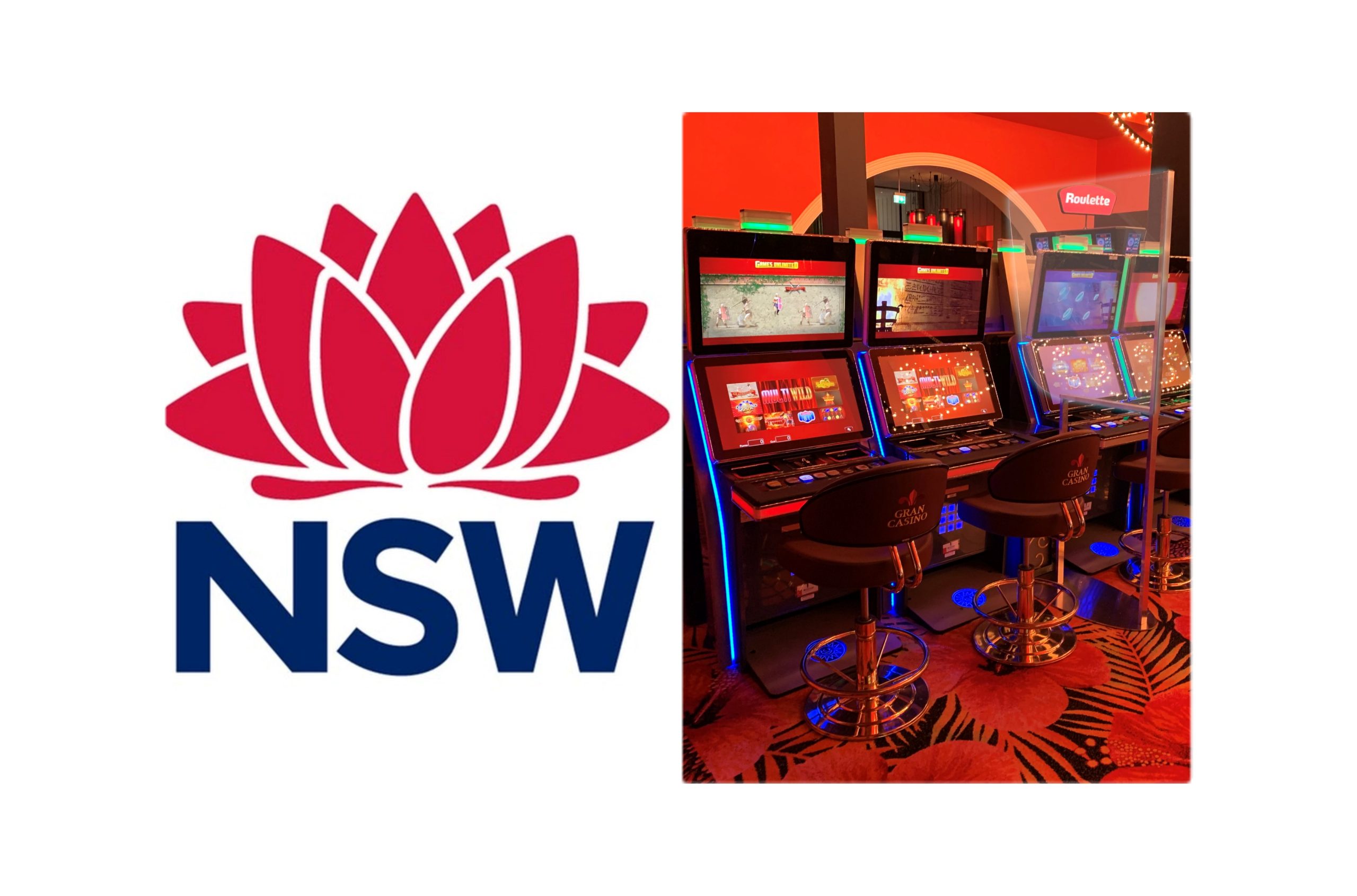
The online gaming has experienced significant growth in the past few years, blending entertainment and modern technology. This industry encompasses interactive betting services including casinos, sports betting, poker, as well as gaming platforms. As competition heats up, brands in the online gaming space must exploit every tool at their disposal to connect with audiences, while social media is now a critical channel.
Social media platforms provide an engaging way for online gambling brands to interact personally with their specific market. By leveraging platforms like Facebook, Twitter, and Instagram, these brands can post content, promotions, and updates while building community among players. This continuous communication not only keeps users informed about upcoming releases or bonuses but also enhances brand loyalty and retention among players.
Comprehending the distinct traits of social media is essential for online gaming brands to make an impact. Each platform addresses different demographics and user preferences, making it vital to tailor content accordingly. Moreover, effective iGaming social media marketing requires a commitment to compliance and responsible gambling messaging, ensuring that brands can interact meaningfully while following regulations in this intensely examined industry.
A Importance of Social Media in iGaming
In the challenging arena of iGaming, building a strong digital footprint is essential. Social networking platforms serves as a powerful resource for brands to access a wider customer base and connect with gamers in real-time. With thousands of active participants present on sites like Facebook, iGaming brands can efficiently promote their offerings, incentives, and special aspects to capture prospective players. Leveraging igaming social media marketing allows brands to craft focused initiatives that connect with specific demographics, increasing their likelihood of conversion.
Beyond marketing, social media gives iGaming brands with a space to create a community. Gamers are inspired by interactions, and social media allows companies to promote dialogues, share user-generated content, and encourage interaction. By developing captivating content and running events or competitions, brands can nurture dedication among users and turn them into promoters. This notion of connection not only enhances customer loyalty but also encourages personal recommendations, a vital aspect of development in the iGaming industry.
Furthermore, social media tools are invaluable for real-time feedback and information. iGaming brands can track customer reactions and acquire opinions on their products through direct interactions. This instant cycle enables companies to adapt and enhance based on customer likes. Furthermore, using igaming promotions allows for precise focus, ensuring that marketing efforts are optimized to engage the right audience at the right time. By leveraging social media, iGaming brands can remain competitive and act decisively to emerging trends.
Developing Engaging Material for iGaming Companies
Developing entertaining content is vital for iGaming companies looking to make a mark on social media. The first step is to understand your audience and what appeals with them. This means developing content that is fun, informative, and pertinent to the gaming audience. Emphasize gameplay elements, disseminate player experiences, and offer tips and tricks to enhance the gaming journey. Using images like pictures and videos can greatly increase engagement and virality, making your content more appealing.
Another successful tactic is to utilize user-generated content. Motivate players to post their gameplay on social media platforms. This not only fosters a sense of community but also acts as real testimonials for your brand. Highlighting these testimonials can foster loyalty and draw in new players, as potential customers are often more influenced by relatable content from other gamers. Be aware of trending discussions within the gaming community and engage in discussions to keep your content fresh.
Additionally, consistency is key in creating a strong digital footprint. Regularly sharing quality content keeps your brand at the forefront of users’ awareness and helps establish a memorable identity. Use a mix of content types, including deals, contests, and informative posts, to maintain interest. Tailoring your messaging for platforms like Facebook can boost the effectiveness of your online marketing efforts. By developing a cohesive strategy, your iGaming business can succeed in a crowded environment.
Harnessing Facebook Advertising for Success in iGaming
Facebook Advertising have turned into an integral instrument for the benefit of iGaming companies seeking to improve their online presence and draw in fresh players. With over two billion active users, Facebook provides a massive audience that brands can target based on characteristics, likes, and actions. For iGaming companies, this provides the ability to reach new users who are most likely to interact with their gaming products or platforms. Crafting attention-grabbing visuals and intriguing ad copy that emphasizes your distinct features is crucial in differentiating yourself amid the rivalry.
To amplify the impact of iGaming Facebook Ads, marketers should prioritize precise targeting strategies. Utilizing features like similar audiences can help engage users who resemble your current customers. Additionally, integrating various ad formats, including advertisements in video format and carousel ads, can capture attention more effectively than static images. It is also important to evaluate different ad designs and copy to determine what appeals most with your viewers, thereby allowing you to enhance campaigns for increased interaction and successful conversions.
Finally, monitoring and assessing the outcomes of your ads on Facebook is crucial for sustained success. Through the use of Facebook's analytics tools, iGaming brands can learn what performs well and what fails, facilitating continuous refinement in advertising strategies. Monitoring key metrics such as CTR, the conversion rate, and return on ad spend will help adjust campaigns and maximize the impact of your marketing efforts on social media. With an effective strategy, Facebook Ads can be a significant engine for expansion and engagement for iGaming brands.
Tactics for Impactful Social Media Engagement
Establishing a robust footprint on social media for iGaming brands requires a targeted method that aligns with your target audience. Captivating content should be at the heart of your plan. Create posts that are not only educational but also enjoyable. Utilize visually stunning graphics, videos, and interactive elements like polls or quizzes to seize attention. It's important to know the preferences of your customers and customize your content to align with their wants.
A further key approach is to connect directly with your community. Respond promptly to feedback and messages, fostering a atmosphere of belonging among your fans. Organizing live streams or Q&A sessions can considerably enhance communication and allow for instant connection. This not only builds loyalty but also makes relatable your brand, allowing followers feel appreciated and recognized. Encourage user-generated content by encouraging followers to share their stories related to your brand, which can further enhance your social media profile.
Ultimately, taking advantage of paid advertising, such as iGaming Facebook ads, can drastically amplify your social media visibility. These targeted ads allow you to reach out with particular demographics, increasing traffic and increasing brand visibility. Merge your paid campaigns with organic posts to create a cohesive marketing strategy that enhances reach and engagement. By combining organic content with focused advertising, you can effectively stand out in the challenging iGaming market and enhance your comprehensive social media marketing efforts.
Compliance and Regulations in Online Gaming Marketing
Navigating the environment of online gaming demands a thorough grasp of compliance and rules that differ by region. Operators must follow the legal frameworks that regulate gambling to make sure that their promotional efforts do never result in potential violations. This involves being cognizant of age restrictions, advertisement guidelines, and the particular rules of each jurisdiction where the brand functions. Ignoring these rules can lead to fines, revocation of licensing, and damage to the brand's image.
Moreover, social media platforms themselves have policies that govern gambling-related advertising. iGaming brands need to familiarize themselves with the rules of sites such as Meta and Insta, as these frequently impose strict restrictions on promotional content related to gaming. Advertisement content must not just comply with local legislation but should also align with the social norms set by these networks, ensuring responsible communication that avoids deceptive or forceful tactics.
In conclusion, integrating adherence into the promotion strategy is essential for upholding trust with both customers and authorities. Businesses should focus on developing transparent and accountable advertising strategies that emphasize safe gambling practices. This not just enhances trustworthiness but can also build a loyal community of gamers who value the commitment to ethical marketing within the online gaming industry. Adapting to these regulatory demands while leveraging the potential of social platforms can ultimately lead to more effective and sustainable engagement with intended audiences.
Measuring Success: Data Analysis and Measurements
To truly comprehend the efficacy of your iGaming social media marketing initiatives, it's essential to delve into data analysis and measurements. This entails monitoring key performance indicators, such as interaction rates, click-through rates, and conversion rates. Using platforms like Google Analytics and platform analytics allows brands to track user engagements and gain insights into what content resonates best with their followers. By reviewing these metrics, iGaming brands can refine their strategies and ensure they are on the correct path toward achieving their marketing goals.
Engagement metrics act as a vital barometer for assessing how well your community is connecting with your content. Thumbs up, shares, and comments can provide instant responses on what generates interest among followers. For iGaming brands, fostering an interactive community can boost brand loyalty and drive referral traffic. Additionally, tracking user-generated content and reviews can further extend brand reach and build trust within the gaming community.
Additionally, assessing the return on ROI from iGaming Facebook ads is essential for determining the financial impact of your marketing strategy. Metrics such as cost per click and conversion metrics will assist brands determine the efficiency of their ad spend. By consistently analyzing these data, iGaming companies can adapt their advertising strategies, allocate budgets more effectively, and ultimately maximize their returns in a competitive digital landscape.
Future Trends in online gaming Social Media Marketing
As the environment of social media continues to develop, iGaming brands must stay ahead of emerging trends to effectively engage their target audiences. One significant trend is the rise of real-time streaming and interactive content. Platforms like YouTube Gaming have demonstrated the potential for live gameplay and engagement, allowing brands to bond with users in the moment. This shift offers iGaming companies an opening to showcase their games and promotions while fostering user interaction through live chats and events.
Another trend gaining popularity is the integration of augmented reality (AR) and VR in social media campaigns. As technology advances, online gaming brands can create immersive experiences that attract users' interest. These experiences can range from virtual casino tours to AR-enhanced game demonstrations, providing a unique selling proposition that sets brands apart in a crowded market. By harnessing AR and VR, online gaming companies can elevate their marketing efforts and offer exciting ways for potential players to experience their platforms.
Lastly, content created by users is becoming increasingly important in the online gaming marketing strategy. Motivating players to post their experiences through social media content, clips, and reviews can drive authentic engagement and reach expanded audiences naturally. Brands that facilitate UGC by launching contests or highlighting player stories will benefit from a more authentic relationship with their community. This not only boosts brand loyalty but also enhances credibility among prospective players, making it a pivotal element for upcoming social media strategies in the online gaming sector.